
When a young person refuses to enter a classroom, walks out of a lesson, becomes verbally aggressive or simply shuts down, it can be easy to focus on the behaviour itself…but behaviour is often communicating something.
For schools and alternative provision settings, understanding what sits behind a behaviour can be the first step towards helping a young person feel safe and ready to engage.
What is the behaviour telling us?
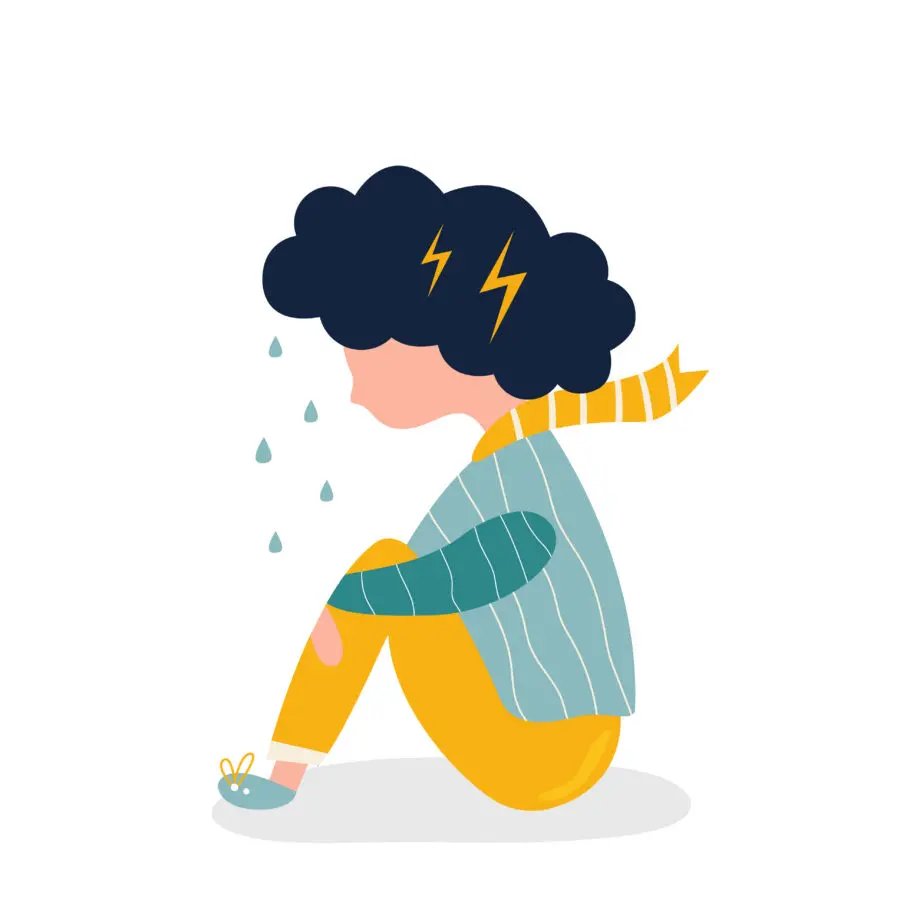
A young person may not have the words or emotional regulation to explain what is wrong. Instead, they may communicate through their behaviour.
They could be experiencing:
- Anxiety or overwhelm
- Difficulties with communication
- Sensory overload
- Problems at home
- Low self-esteem
- Previous negative experiences of education
- Unidentified SEND
- Fear of failure
- Difficulties with relationships or trust
- A need for control or predictability
That doesn’t mean every behaviour should be excused – boundaries and expectations are still important but it means we can look beyond the behaviour and ask a more useful question:
“What is this young person trying to tell us?”
Relationships matter
For young people who have struggled in mainstream education, trust can take time. A consistent adult who listens, follows through on what they say and doesn’t immediately judge a young person can make a significant difference. This is particularly important in alternative provision, where relationships are often at the heart of successful engagement. A young person might not remember every lesson they were taught, but they may remember the adult who believed they could do it.
Consistency creates security
Consistency doesn’t mean every young person receives exactly the same response. It means adults understand the expectations and respond in a predictable way. For a young person who already feels that school is a difficult or unpredictable place, knowing what will happen next can make a huge difference. This is why we dedicate a huge amount of time to individualising our student’s timetables to reflect their unique needs and support their challenges, for example playing a game of uno every morning when they first arrive. To some, this is a simple game – to a young person in possible turmoil, this is their safety net.
The goal isn’t simply “better behaviour”
Ultimately, the aim shouldn’t be to make a young person easier to manage. The aim is to help them develop the skills and confidence they need to engage with education and move forward. Sometimes that starts with a conversation, sometimes it starts with a trusted adult sitting alongside them. And sometimes it starts with simply giving them another opportunity to try.
Creating the right environment
Effective alternative provision recognises that young people are individuals. There isn’t one strategy that works for everyone. The most effective settings are often those that combine clear boundaries with compassion, high expectations with flexibility, and structure with genuine relationships. At [Company Name], we believe that the right people make a huge difference.
Whether you’re a school looking for experienced staff or a professional looking to make a difference in education, we’re here to help connect the right people with the right opportunities.